Going in Reverse
Kevin in the Retro Store needs help rewinding tech and going in reverse. Extract the flag and enter it here.
Going in Reverse
Difficulty: ❄ ❄ ❄ ❄ ❄
Kevin in the Retro Store needs help rewinding tech and going in reverse. Extract the flag and enter it here.
Hints
Going in Reverse
It looks like the program on the disk contains some weird coding.
Going in Reverse
Maybe it is encrypted OR encoded?
Going in Reverse
Holy cow! Another retro floppy disk, what are the odds? Well it looks like this one is intact.
Items
Just a BASIC Program

You’ve stumbled upon an old Commodore 64 floppy disk containing a mysterious BASIC program.
1
2
3
4
5
6
7
8
9
10
11
10 REM *** COMMODORE 64 SECURITY SYSTEM ***
20 ENC_PASS$ = "D13URKBT"
30 ENC_FLAG$ = "DSA|auhts*wkfi=dhjwubtthut+dhhkfis+hnkz" ' old "DSA|qnisf`bX_huXariz"
40 INPUT "ENTER PASSWORD: "; PASS$
50 IF LEN(PASS$) <> LEN(ENC_PASS$) THEN GOTO 90
60 FOR I = 1 TO LEN(PASS$)
70 IF CHR$(ASC(MID$(PASS$,I,1)) XOR 7) <> MID$(ENC_PASS$,I,1) THEN GOTO 90
80 NEXT I
85 FLAG$ = "" : FOR I = 1 TO LEN(ENC_FLAG$) : FLAG$ = FLAG$ + CHR$(ASC(MID$(ENC_FLAG$,I,1)) XOR 7) : NEXT I : PRINT FLAG$
90 PRINT "ACCESS DENIED"
100 END
Solution
I literally just ran the script with qbjs.org: 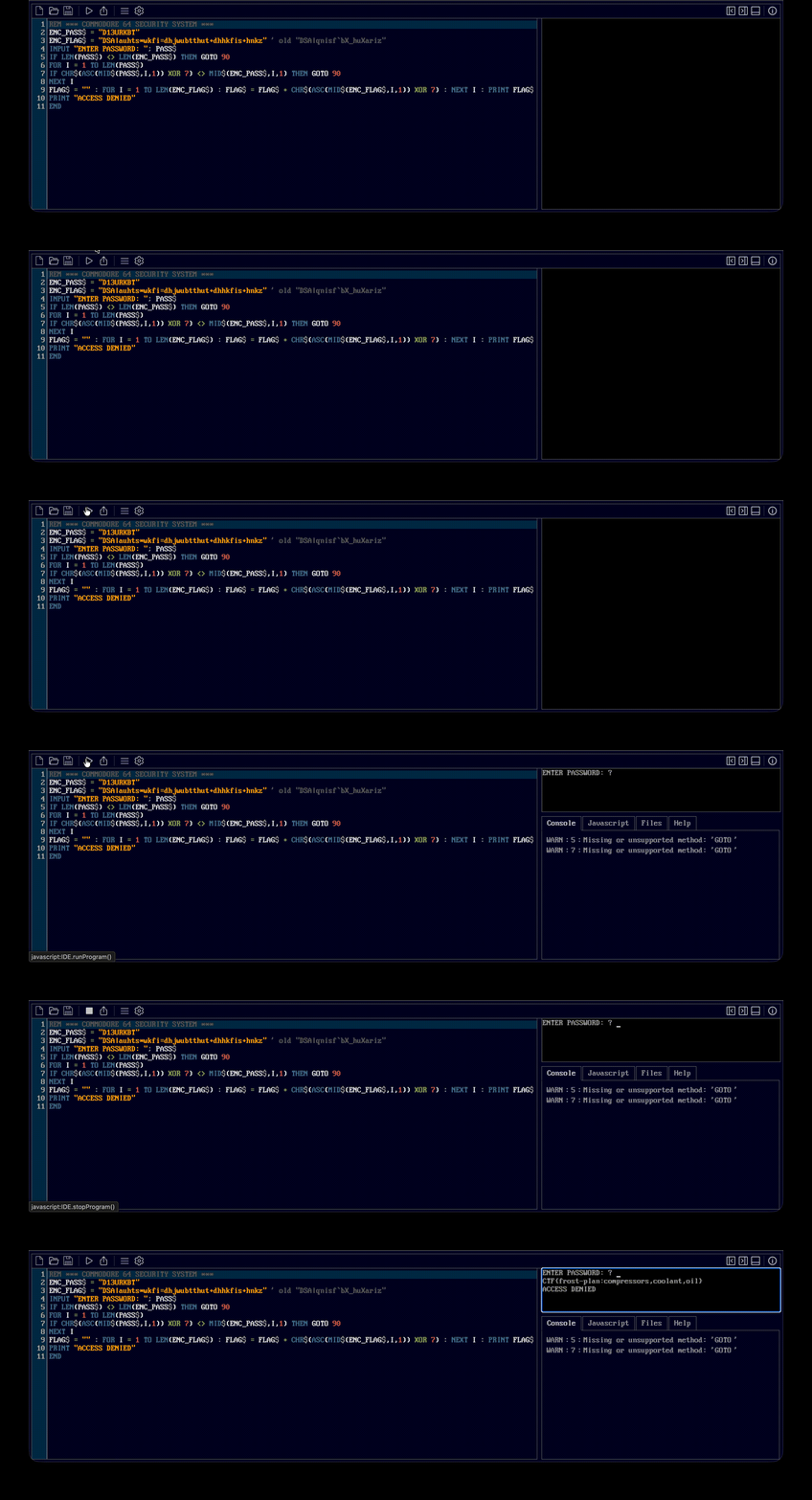
And then I submitted the flag CTF{frost-plan:compressors,coolant,oil}.
What happened
To make the code compatible with qbjs.org interpreter, I stripped out the line numbers. This inadvertently broke the GOTOs logic. Instead of jumping to the ACCESS DENIED section upon a failed password check, the interpreter executed the code sequentially. It fell right through to line 85, decoding and printing the flag automatically.
What the program actually does
The encryption used is a simple XOR cipher with the key 7. The script compares the user input against an encrypted password string and, if successful, decrypts the flag using the same operation.
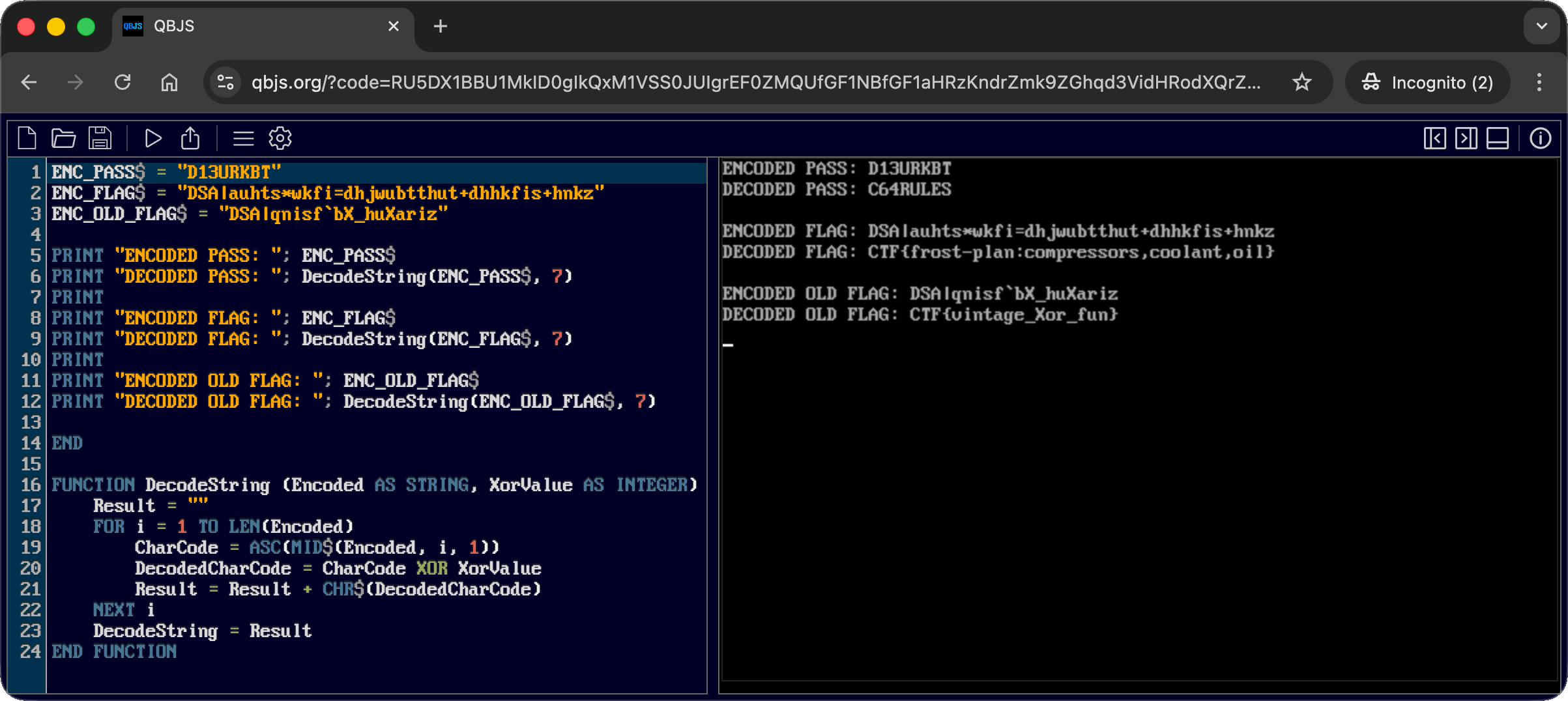
I wrote a script to demonstrate the intended decryption logic:
1
2
3
4
5
6
7
8
9
10
11
12
13
14
15
16
17
18
19
20
21
22
23
24
ENC_PASS$ = "D13URKBT"
ENC_FLAG$ = "DSA|auhts*wkfi=dhjwubtthut+dhhkfis+hnkz"
ENC_OLD_FLAG$ = "DSA|qnisf`bX_huXariz"

PRINT "ENCODED PASS: "; ENC_PASS$
PRINT "DECODED PASS: "; DecodeString(ENC_PASS$, 7)
PRINT
PRINT "ENCODED FLAG: "; ENC_FLAG$
PRINT "DECODED FLAG: "; DecodeString(ENC_FLAG$, 7)
PRINT
PRINT "ENCODED OLD FLAG: "; ENC_OLD_FLAG$
PRINT "DECODED OLD FLAG: "; DecodeString(ENC_OLD_FLAG$, 7)

END

FUNCTION DecodeString (Encoded AS STRING, XorValue AS INTEGER)
    Result = ""
    FOR i = 1 TO LEN(Encoded)
        CharCode = ASC(MID$(Encoded, i, 1))
        DecodedCharCode = CharCode XOR XorValue
        Result = Result + CHR$(DecodedCharCode)
    NEXT i
    DecodeString = Result
END FUNCTION
Dissecting the attack
graph TD
    subgraph Analysis [1. Static Analysis]
        A["Source Code Extraction
        (Read login.bas)"]
        B["Algorithm Identification
        (XOR Cipher)"]
        style A fill:#7f1d1d,stroke:#ef4444,stroke-width:2px,color:#fff
        style B fill:#7f1d1d,stroke:#ef4444,stroke-width:2px,color:#fff
    end

    subgraph Crypto [2. Cryptanalysis]
        C["Weak Cryptography
        (Single-Byte XOR Key: 7)"]
        D["Hardcoded Secrets
        (Encrypted Flag & Password)"]
        style C fill:#9a3412,stroke:#f97316,stroke-width:2px,color:#fff
        style D fill:#9a3412,stroke:#f97316,stroke-width:2px,color:#fff
    end

    subgraph Exploitation [3. Exploitation]
        E["Logic Bypass / Decryption
        (Run Script / Remove GOTO)"]
        F["Flag Extraction
        (Recover Plaintext)"]
        style E fill:#7f1d1d,stroke:#ef4444,stroke-width:2px,color:#fff
        style F fill:#7f1d1d,stroke:#ef4444,stroke-width:2px,color:#fff
    end

    %% Flow Connections
    A -->|Find ENC_PASS$| B
    B -->|Identify Key '7'| C
    C -->|Decrypt ENC_FLAG$| E
    D -->|Decrypt ENC_PASS$| E
    E -->|Output| F
| Phase | Vulnerability (CWE) | Mitigation |
|---|---|---|
| 1. Analysis | CWE-312 Cleartext Storage of Sensitive Information (Source Code Disclosure) | Obfuscation (Compile/Pack Binary) |
| 2. Credentials | CWE-798 Use of Hard-coded Credentials (Stored Password String) | Hashing (One-Way Hash Functions) |
| 3. Crypto | CWE-327 Use of a Broken or Risky Cryptographic Algorithm (Simple XOR) | Strong Cryptography (AES / NaCl) |
Fixing the Weak Cryptography (CWE-327)
Vulnerability: The application uses a simple XOR cipher with a single-digit key (7) to “encrypt” the password and the flag. XOR is symmetric and trivially reversible, providing no real security against reverse engineering.
Fix: Use robust encryption algorithms. For a retro system like C64, options are limited, but in a modern context, you would use authenticated encryption (like AES-GCM) or simply not store the secret locally.
Vulnerable Code (BASIC):
1
70 IF CHR$(ASC(MID$(PASS$,I,1)) XOR 7) <> MID$(ENC_PASS$,I,1) THEN GOTO 90
Secure Concept (Modern Python):
1
2
3
4
from cryptography.hazmat.primitives.ciphers.aead import AESGCM
# FIX: Use strong encryption if reversibility is required
aesgcm = AESGCM(key)
decrypted_pass = aesgcm.decrypt(nonce, ciphertext, aad=None)
Impact: Prevents trivial decryption of the secrets by simply guessing the key or analyzing the algorithm.
Fixing the Credential Storage (CWE-798 and CWE-312)
Vulnerability: The password is stored in a reversible format (ENC_PASS$). This allows anyone who decompiles the script to recover the original password.
Fix: Use Cryptographic Hashing. Store only the hash of the password (e.g., SHA-256 or Argon2), which allows verification without revealing the original plaintext.
Vulnerable Code:
1
20 ENC_PASS$ = "D13URKBT" ' XOR encrypted, but reversible
Secure Concept:
1
2
3
4
5
import hashlib
# FIX: Store hash, compare input hash to stored hash
stored_hash = "e3b0c44298fc1c149afbf4c8996fb92427ae41e4649b934ca495991b7852b855"
if hashlib.sha256(user_input.encode()).hexdigest() == stored_hash:
    grant_access()
Impact: Even if the code is analyzed, the attacker cannot reverse the hash to find the original password, protecting the credential.
Funsies
Basic
Basic was my first programming language, and this book was the beginning of that:
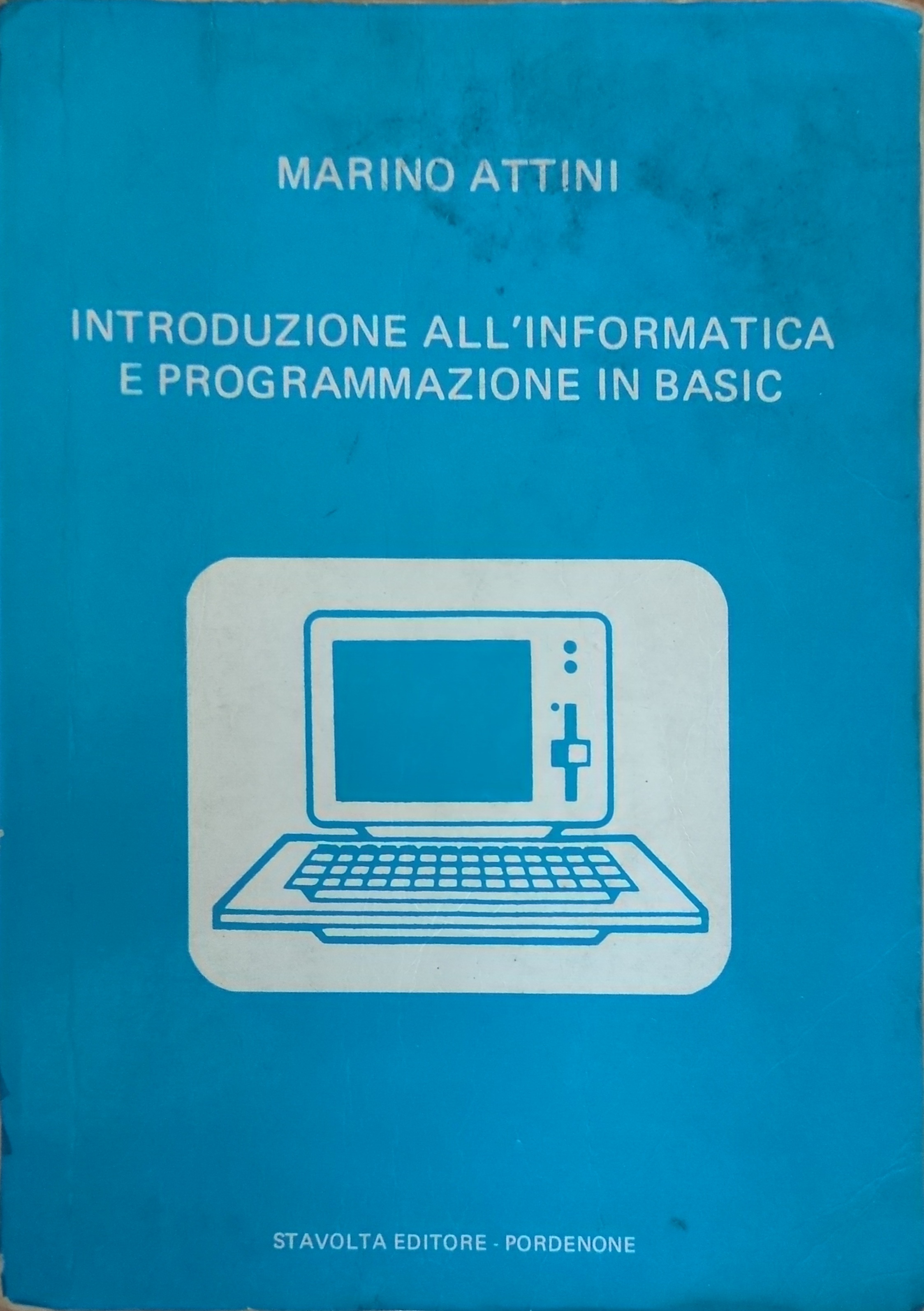
…And I still remember trying to run my first program, which was an attempt at coding an address book, all well written in Windows Notepad as a txt and not understanding why it wasn’t just “running” before discovering I also needed QBasic to run it (spoiler alert: it didn’t work at all 😁)